As global consumers demand greater transparency from food producers, the standards used to define excellence are rapidly evolving. In the seafood industry, sustainability certifications and food safety protocols have become familiar benchmarks. Increasingly, however, attention is shifting toward another dimension of production: harvest quality.
The recent Ikejime Quality Certification awarded to Baja Aqua Farms by Quality Seafood London Ltd. reflects this emerging trend and may offer insight into how premium aquaculture will be evaluated in the future.
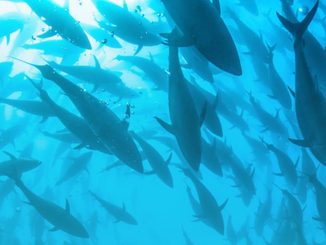
Baja Aqua Farms, a Mexico-based producer of Pacific Bluefin tuna, has become one of a limited number of large-scale operations to receive independent certification verifying adherence to internationally recognized ikejime harvest standards. The achievement represents a notable development within a sector where quality expectations continue to rise among chefs, distributors, retailers, and consumers.
Historically, premium seafood branding has relied heavily on factors such as species, geographic origin, and sustainability credentials. While these elements remain central to purchasing decisions, industry stakeholders increasingly recognize that harvest practices can have a profound effect on final product performance.
The quality of seafood is influenced by numerous biological and operational variables. Stress experienced by fish before harvest can affect muscle chemistry, texture, color retention, and shelf life. As a result, harvesting techniques have become an area of growing interest for producers seeking to maximize quality while meeting market expectations.
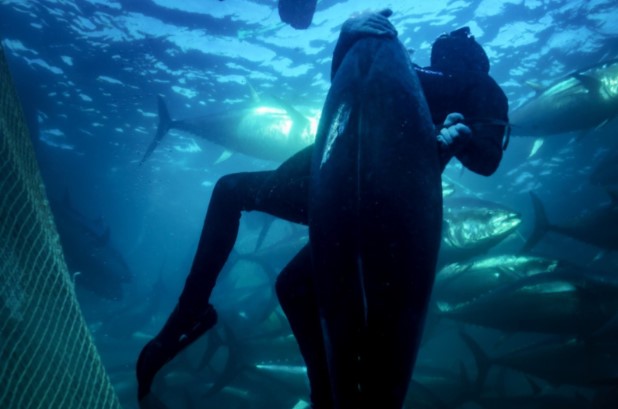
The ikejime method, developed in Japan centuries ago, has long been associated with exceptional seafood handling. The technique aims to minimize physiological stress while preserving the natural characteristics of the fish through precise dispatch, bleeding, neurological intervention, and temperature control.
Although widely respected, implementing such standards consistently at a commercial scale presents significant operational challenges.
Baja Aqua Farms has spent more than two decades refining procedures designed to achieve these outcomes. Operating a vertically integrated aquaculture system along the Pacific coast of Baja California, the company oversees each phase of production from fish transfer and husbandry to harvesting, processing, and distribution.
The organization’s approach reflects a broader shift occurring within modern aquaculture. Rather than focusing solely on production efficiency, leading operators are increasingly investing in systems that align biological welfare, product quality, and long-term market value.
The certification process itself required rigorous independent review. During an extensive on-site audit, Quality Seafood London Ltd. evaluated harvest operations, including dispatch protocols, exsanguination procedures, shinkejime implementation, handling standards, cooling systems, and final product quality.
The resulting certification provides external validation that the company’s practices meet internationally recognized benchmarks associated with premium harvest quality.
Beyond its significance for a single producer, the achievement may reflect larger changes within the seafood marketplace.
As global supply chains become more transparent, stakeholders increasingly seek measurable indicators that substantiate quality claims. Certifications focused on harvesting practices provide an additional layer of accountability, complementing existing sustainability and food safety frameworks.
For chefs and high-end seafood buyers, such certifications offer greater confidence in consistency and product integrity. For producers, they create opportunities to demonstrate craftsmanship and operational excellence through independently verified standards.
The implications extend beyond commercial markets. As aquaculture continues to play a growing role in global food security, industry leaders face mounting pressure to balance efficiency, environmental responsibility, and quality. Certification systems that evaluate harvest methodologies may help establish clearer benchmarks for excellence across the sector.
Baja Aqua Farms’ certification illustrates how the future of premium seafood may increasingly be defined not only by where fish are raised or how sustainably they are produced, but by how carefully they are harvested. In an industry where quality is measured in both science and craftsmanship, independent verification of harvest standards may become one of the most influential indicators of value in the years ahead.